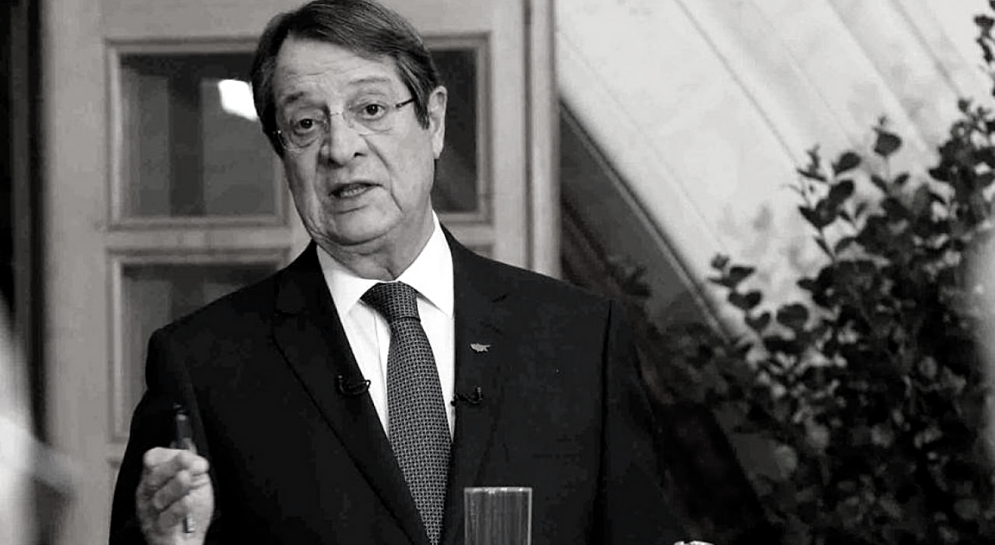
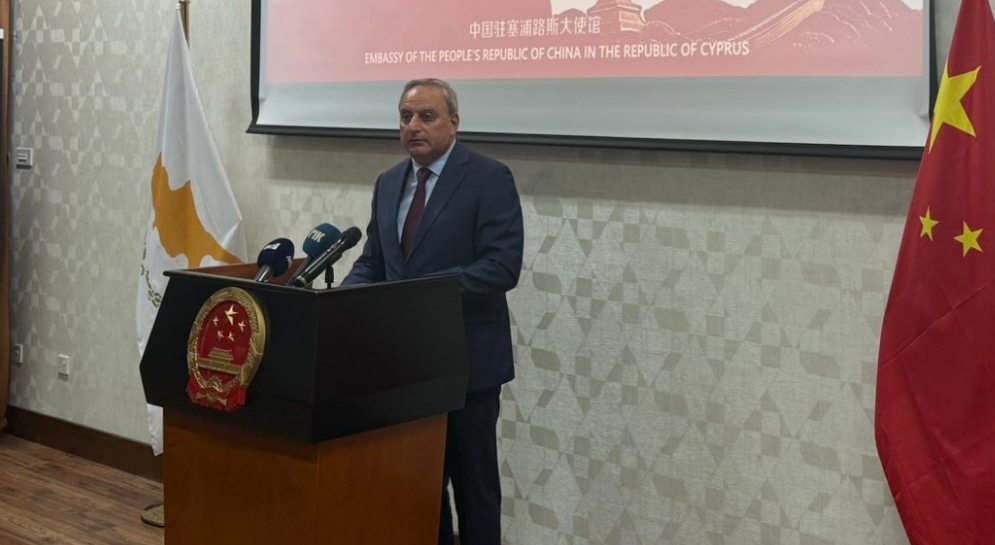
Speech by the General Secretary of the C.C. of AKEL, Stefanos Stefanou, at the event organized by the Embassy of the People’s Republic of China on the occasion of the 80th anniversary of the victory of the Chinese People’s War of Resistance Against Japanese Aggression and the World Anti-Fascist War
3 September 2025, AKEL C.C. Press Office, Nicosia
I would like to thank you for your kind invitation to address today’s event, dedicated to the great anti-fascist victory in World War II. This was a victory to which China made a significant contribution, but which is often less recognized in the West than the European and other fronts. China’s decisive role was marked by its unwavering resistance and ultimate victory over Japan, which had invaded the country as early as 1937, even before the outbreak of World War II.
The heroic resistance of the Chinese people against the invaders came at the cost of millions of lives. Today, we honor their memory along with the memory of all the fighters who rose up against the fascist Axis on the fronts of the Soviet Union, Europe, Africa, the Atlantic and Pacific Oceans, the Middle East and the Far East, and, of course, China itself. May their memory live on forever!
The anti-fascist victory in World War II saved humanity from fascism — the most barbaric, inhuman, and destructive ideology that modern human history has ever known. From the ruins of that war, the international community sought to build a new order of peace, justice, and cooperation based on the United Nations Charter. Its principles were intended to guide nations towards dialogue instead of war, justice instead of aggression, and peace instead of destruction. China’s status as a permanent member of the UN Security Council is a recognition of its own contribution to the anti-fascist victory in World War II.
However, the decades that followed did not fulfil these hopes. The Cold War divided the world, balancing on the brink of nuclear terror, while wars, invasions, and interventions brought bloodshed to peoples all over the world. The so-called New World Order that followed the Cold War era was based on the will of the mighty, at the expense of international law and at the cost of countless lives, misery, and destruction.
This reality continues today, with many conflicts and wars ongoing, and the first genocide of the 21st century raging in Gaza. This reality will only be overcome when unipolar domination gives way to true multipolarity, when international problems are resolved peacefully, based on international law and mutual respect. When the United Nations is strengthened and not undermined, when democracy is not preached by those who blatantly violate it.
At the same time, our world faces another serious danger: the resurgence of the far right. Fascism is returning once again to Europe, the very continent that paid such a heavy price to defeat it. Exploiting the anger generated by poverty, inequality, and insecurity, the far right is seeking to gain ground, while very often the ruling elites who warn against it are the very same ones who collaborate with it in government together. The Right, which is the dominant force in the European Union, has shown through its tolerance and general attitude toward the far right that the latter actually acts as a reserve force that helps it remain in power and promote its policies.
History teaches us a harsh lesson. The Nazis came to power in Germany using the very tools of democracy — with the help, of course, of the establishment and big capital. This memory is not only about the past, but also about the path we choose today and tomorrow. Humanity is once again at a crossroads.
Let us not repeat the mistakes that led to disaster.
Let us honor the anti-fascist victory not as a ritual of remembrance, but as a living call to defend peace, justice, and democracy for future generations against fascism, imperialism, and anti-social neoliberal policies.