Press Conference by the General Secretary of AKEL S. Stefanou on Energy Issues
Friday 10 July 2026, AKEL C.C. Press Office, Nicosia
We are holding this press conference to send out—yet again—a desperate SOS regarding our country’s energy security and electricity supply.
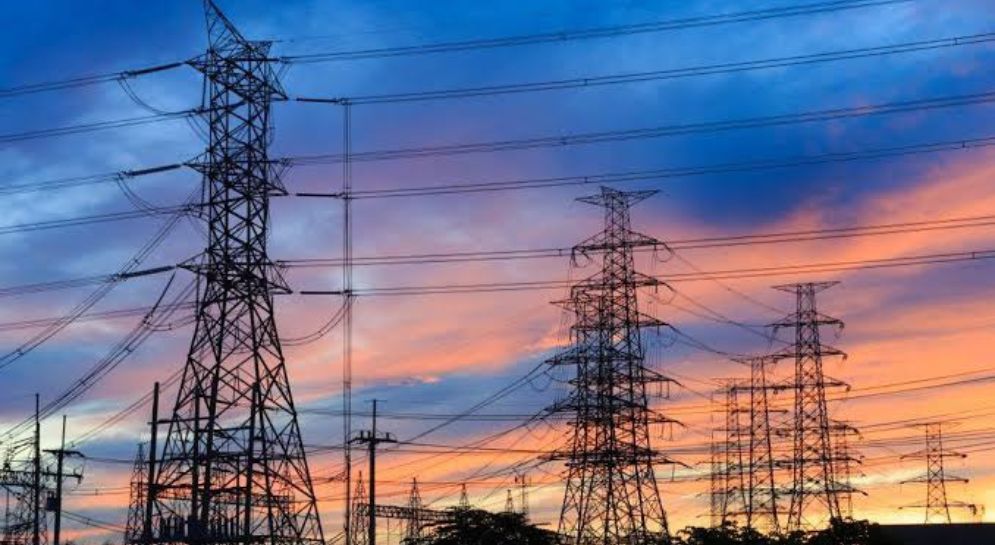
The warning signal we are sending out is not some figure of speech. It is, unfortunately, a glaring reality. In recent years, we have already witnessed an absurd phenomenon that is a direct reflection of the critical state of our electrical grid:
On the one hand, power cuts are being implemented due to insufficient electricity generation from conventional sources
On the other hand, power generated from renewable energy sources is being curbed because we have a surplus of generation that far exceeds demand.
We are facing a critical milestone that places significant pressure on the crucial issue of energy sufficiency: by the end of 2029, critical environmental exemptions for Cyprus will expire. Approximately 750 MW of existing conventional generation capacity will need to be phased out of the system, as the Dekelia power plant (360 MW) and some units at Vasilikos (390 MW) are old, polluting and costly to operate.
The foundation of our electricity system rests on an aging conventional generation capacity (total Electricity Authority of Cyprus (EAC) units: 1,478 MW). The available capacity is lower (maximum 1,200 MW) due to breakdowns or other technical limitations.
Supply adequacy studies indicate that we are exceeding acceptable limits and without the necessary reserves.
The European Network of Transmission System Operators notes that Cyprus faces some of the highest supply adequacy dangers in Europe.
Realistically, there are no plans to replace this lost generation capacity by 2030, nor is there any prospect of importing energy via a subsea cable. Projects such as Unit 6 of the EAC (160 MW) and private power plants are considered “conditional” rather than guaranteed capacity, as critical issues remain unresolved, such as fuel availability, environmental conditions, and technical tests that must be conducted.
Demand is barely met during peak periods—how will it be met once 750 MW have been removed?
The government must provide convincing answers to this critical question and provide effective solutions. The government has finally acknowledged the problem after a long period of silence, but it does not appear to have a comprehensive strategy or a specific action plan in place. And time is running out.
What stage are the major projects at?
- The project in Vasiliko is at a standstill; the stench of scandals hangs over the project, and the European Public Prosecutor’s Office is investigating decisions made by the previous (Anastasiades/DISY) government.
- The power cable from Greece is also at a standstill and is also being investigated by the European Public Prosecutor’s Office.
- Natural gas has not yet arrived, despite the fact that the previous government has announced its arrival at least four times. At this point, I would like to note that the arrival of natural gas does not automatically mean electricity production. It takes at least a year after the arrival of natural gas to conduct tests and retrofit power plants; contracts and permits are required, and sufficient reserve capacity is needed to carry out any tests.
- Energy storage—which will not solve the problem but will provide some breathing space—is being delayed far too long, while the technical limitations of the grids have not been overcome.
- The continued concentration of electricity generation in Vasilikos poses serious safety dangers. The weakening of Dekelia deprives the system of a necessary geographical and operational counterbalance.
- Utilization of Cypriot natural gas for electricity generation: apart from the announcements made from time to time, we have nothing specific.
All projects are interdependent. A delay in one project affects the entire system.
Responsibilities…
The current situation is the result of a long-standing absence of strategic planning, which has led to delays, piecemeal decisions, a lack of coordination, and insufficient transparency and accountability.
Cyprus is not only energy-isolated; it is also energy-vulnerable due to the delays noted and erroneous decisions taken.
The primary responsibility lies with the Anastasiades-DISY government, though the current government is not without blame either. Instead of accelerating solutions, it continues to invest more in engaging in communication tricks.
Inaction comes at a high cost
Energy security concerns every citizen. The problem affects the economy, businesses and the cost of living. The price of inaction on energy is paid every month on people’s electricity bills.
- Trapped in Polluting Fuels: The absence of natural gas traps the country in reliance on expensive fuel oil and the enormous cost of purchasing CO₂ emission allowances.
- Increased cuts: Delays in storage increase renewable energy cuts and the need for more expensive generation during peak hours.
- Emergency Solutions: The delay raises the possibility of leasing temporary generation units at a very high cost
- Loss of Investments: The EAC is unable to recoup millions in investments for modern generators that remain idle, while private investors are burdened with increased balancing costs and dangers.
Energy policy cannot be implemented by issuing announcements.
Cyprus is not only energy-isolated. It is energy-vulnerable due to delays and erroneous decisions.
The Anastasiades-DISY government bears the main responsibility, though the current government is not without blame either. Instead of accelerating solutions, it continues to invest more in public relations management.
AKEL’s Proposals
Cyprus finally needs a comprehensive energy plan with clear priorities, a timeframe, and mechanisms for exercising scrutiny in order to ensure accountability and transparency.
- The development of a comprehensive energy sufficiency plan up to 2031. The goal is to identify our actual needs and realistic capabilities. In this context, we propose the establishment of an Energy Security and Sufficiency Council, an ad hoc body with a clear mandate and binding timelines.
- The evaluation of all available options to ensure sufficient generation capacity, such as the invocation of Article 34 of Law 130(I)/2021, which allows the Minister to issue decrees to ensure “necessary generation” through competitive bidding, should a shortage be identified.
- The acceleration of all projects related to the optimal utilization of existing production capacity, the upgrading of Dekelia, the rapid expansion of storage and grid flexibility, as well as the removal of technical constraints at Vasilikos.
- The development of a realistic and costed roadmap for the completion of the terminal at Vasilikos and the delivery of natural gas for power generation, specifically reinstating the option of bringing natural gas via pipeline, with priority given to the reserves of the Republic of Cyprus.
- Strengthening energy conservation policies, energy upgrades, and a better management of demands.
- Addressing high energy costs and energy poverty in the short and medium term by taking measures such as:
- Permanently reducing the VAT on electricity to 5%,
- Expanding the EAC’s social tariff programs,
- Using revenue from emissions to cover rate increases and/or provide targeted bill subsidies,
- Rapidly increasing the share of renewable energy in the EAC’s generation mix,
- Expansion and upgrading of plans for photovoltaics, energy storage, and energy infrastructure upgrades,
- Incentives to enable vulnerable households and those facing difficulties in installing photovoltaics to join energy communities.