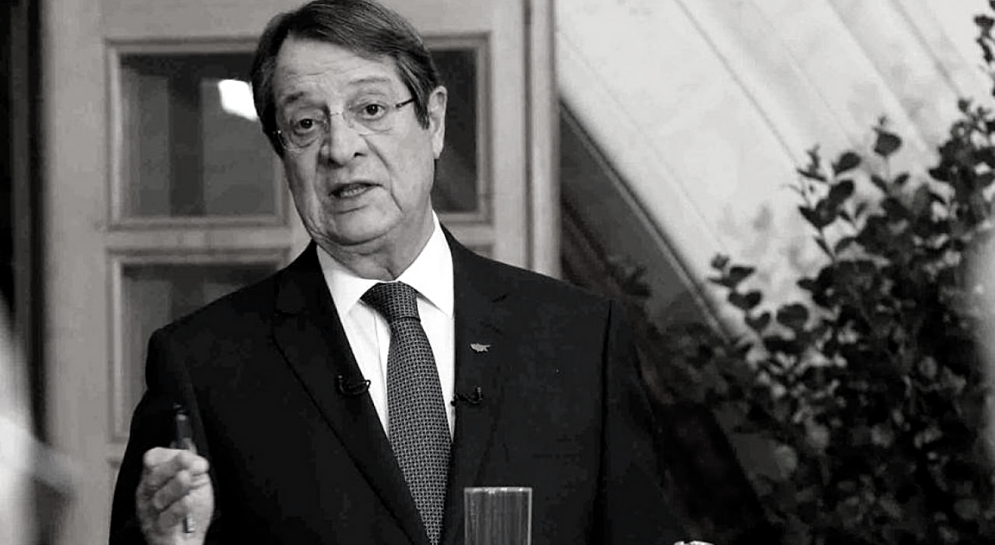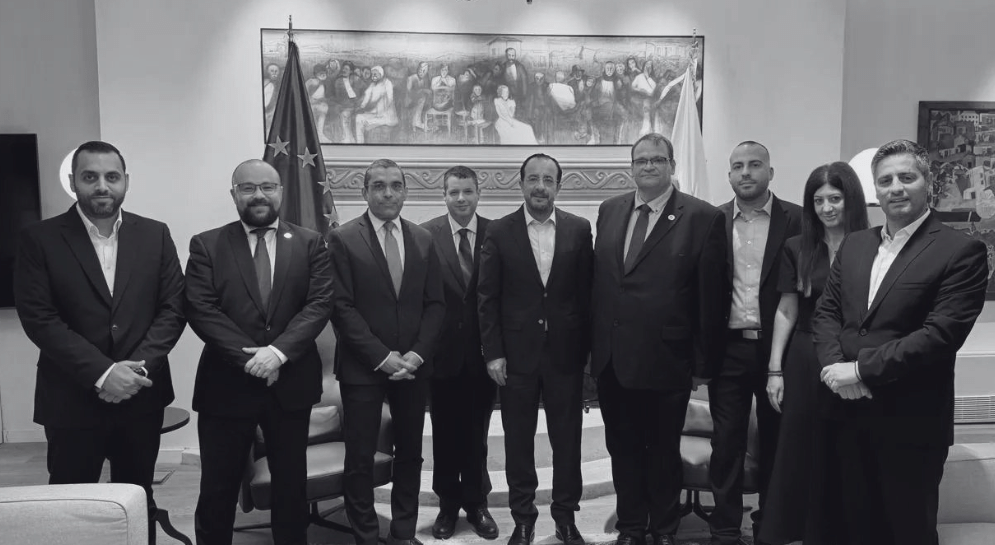
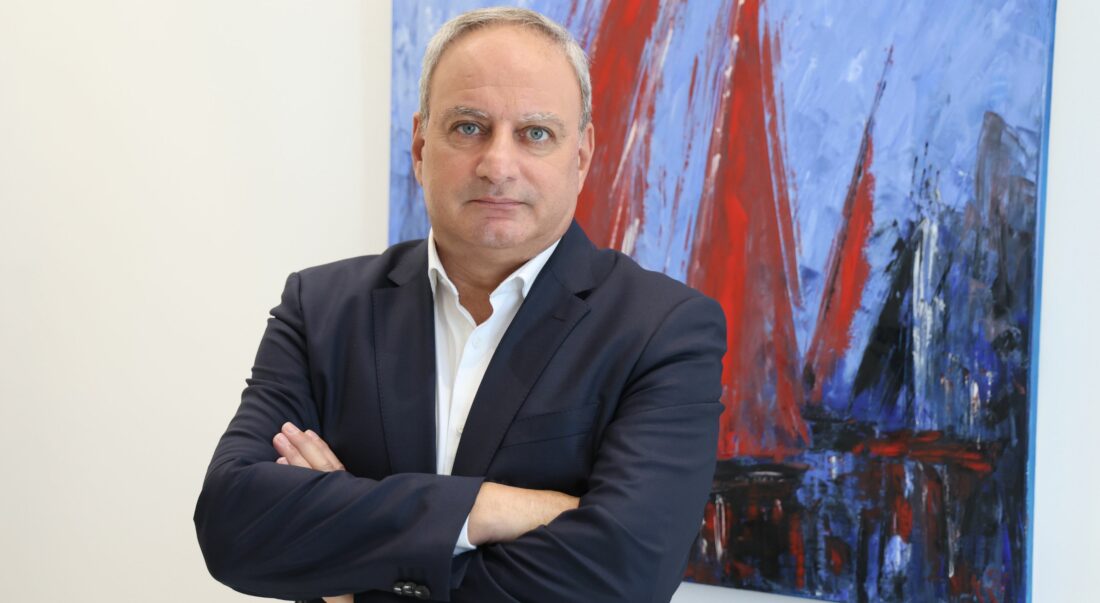
Intervention by the General Secretary of AKEL Stefanos Stefanou at the meeting with the President of the European Parliament and the Presidents and Representatives of the Political Groups of the European Parliament
2 December 2025, AKEL C.C. Press Office, Nicosia
Ladies and gentlemen,
On behalf of the Party of the Left in Cyprus, AKEL, we welcome the President of the European Parliament to Cyprus, as well as the Leaders of the Political Groups. To a small EU country, but a proud and dignified one. A country which, despite being wounded by the problem of the Turkish occupation, nevertheless wants to participate equally and actively in European affairs. It wants to offer solidarity and respect to all, but at the same time it demands solidarity and respect from all.
At a time when everything is being questioned, it is important that fundamental principles and values should be put at the centre of the debate. Today’s debate is important precisely for this reason. Because in a period of uncertainty and insecurity, in a period when we need to talk again about what should be self-evident, we must, we are obliged to reflect on the following: are the fundamental values of Europe being implemented?
Today, more than ever, the role and presence of the European Union on the international stage is being questioned. There are doubts as to whether its policies can really bring prosperity, stability, and security to its member states and peoples. And this questioning is not theoretical. It is the product of the European reality itself.
How can the EU talk about stability when social and economic inequalities are growing?
When its citizens see their daily lives becoming more difficult, their prospects reduced, and its citizens wondering whether EU policies serve the public interest or specific powerful economic centres?
How can the EU convince anyone of its moral superiority when it applies double standards?
It acts with complete determination towards the Russian invasion – and rightly so – but with hesitation, awkwardness and silence with regards the ongoing genocide in Gaza. Sanctions are imposed against Russia, but the EU exerts no real pressure to end Israel’s ongoing crimes. This selective sensitivity undermines its own credibility.
And of course, we cannot talk about consistency to principles when an EU member state, namely Cyprus, is still half-occupied by Turkey. And yet, the EU continues to treat Turkey with great tolerance, avoiding in numerous cases to consistently defend its own member states and international law itself. As we await developments surrounding the Cyprus problem within the UN framework, we note the role that the EU can and must play in finding a solution based on and within the agreed framework.
If the EU was created to bring peace, how can it do so today by pursuing a war economy, investing in armaments, and maintaining a relationship of open hostility with a nuclear power such as Russia?
Peace cannot be built through militarization or isolationist policies. It requires dialogue, diplomacy, de-escalation, and a Europe that has the courage to build bridges rather than erect walls.
The credibility of the EU will be judged by whether it can return to its declared principles, from which it is increasingly distancing itself from: social justice, solidarity, equal treatment for all, and the active defence of international law—not on a case-by-case basis or selectively.
If the EU wants to remain a force for peace, it must first and foremost become a force for consistency again. And that today is not given; it is something that must be fought for.