Macroeconomic indicators don’t reflect the real situation nor do they fill car fuel tanks
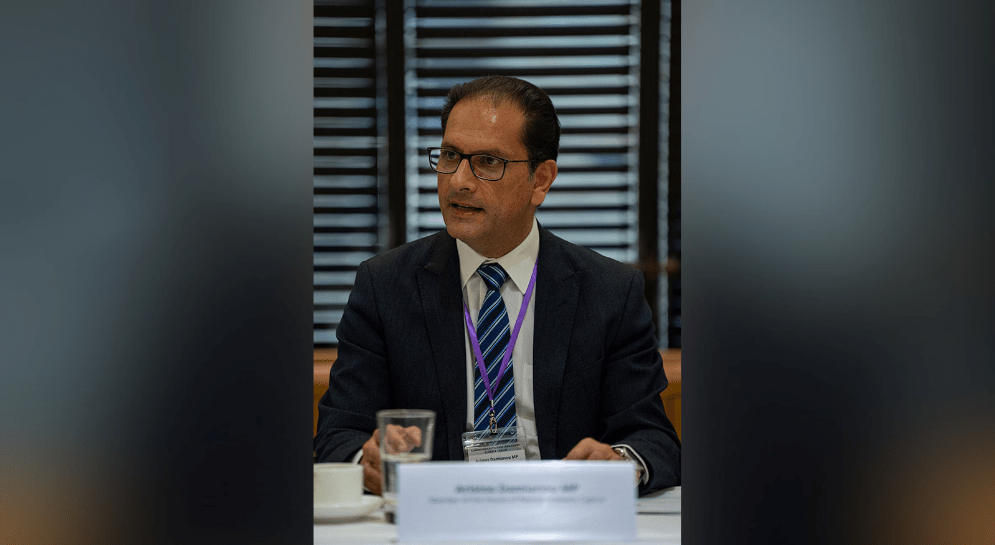
Statement by Aristos Damianou member of the Political Bureau of AKEL and AKEL MP following the meeting of the Parliamentary Committee on Finance and the Budget
13 October 2026, AKEL C.C. Press Office, Nicosia
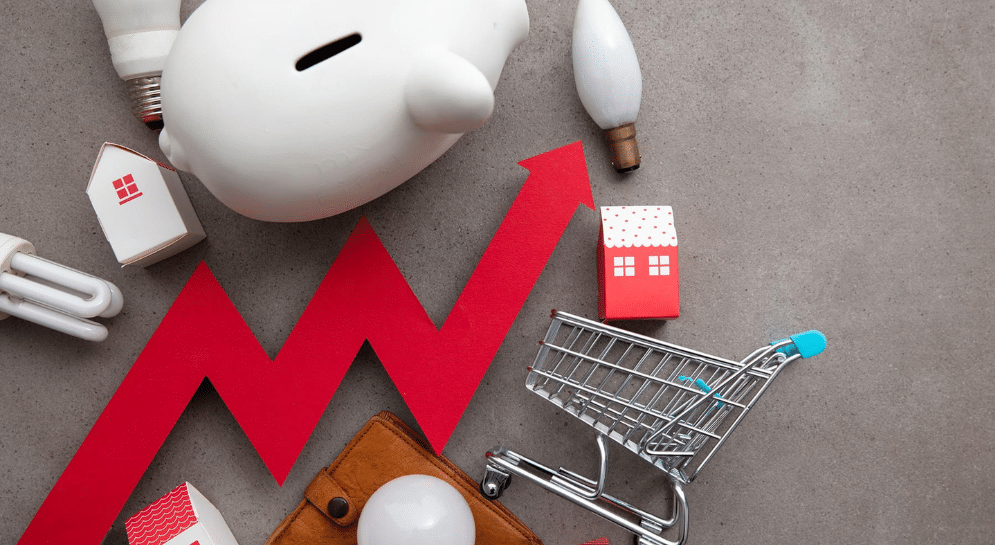
Unfortunately, the positive picture portrayed by economic indicators does not reflect everyday life in society. It is true that the economy is doing well, but macroeconomic indicators don’t reflect the real situation in people’s lives, nor do they fill car fuel tanks. Thousands of households are under pressure from rising prices, housing costs and financial insecurity. Inequalities are growing and people’s purchasing power is declining. This is the reality that the Government is failing to address with the necessary determination, not even in the 2027 State Budget.
Attaining very high surpluses are now a deliberate policy choice, generating serious social consequences. At a time when society needs support, the Government is maintaining excessively high fiscal margins, rather than utilising them, even in part, to provide relief to households, strengthen public services and boost investment.
Fiscal discipline cannot serve as an excuse for social inaction.
When society is under pressure and the Government fails to utilise the available leeway to provide meaningful relief, the problem is profoundly political and social.
This is the reality that the government is failing to address with the necessary resolve, not even in the 2027 Budget.
The Budget confirms that the economy is treated more as a matter of financial management than as a tool for social progress and sustainable development. Increases in expenditure are directed primarily towards operational needs, whilst social benefits are being boosted only to a limited extent and developmental spending remains stagnant.
At the same time, the inability to tackle the fundamental problems of the Cyprus economy (expensive electricity, waste management, the housing crisis combined with the sale of land to third-country nationals, and oligopolies in the banking and energy sectors) is self-evident. Against this backdrop of insecurity and social inequalities, the government is standing by idly whilst job insecurity and the undermining of collective agreements continue unchecked.
Government revenue continues to rely heavily on indirect taxes, which places a greater burden on low and middle income strata. A fairer distribution of the tax burden is required, yet the Government shows no intention of changing course. On the contrary, the government’s tax reform is widening the inequality gap.
AKEL advocates prudent economic management, but with different social priorities: substantial support for households and small and medium-sized enterprises (SMEs); strengthening public health and education; and a comprehensive housing policy that delivers results. And, of course, a fairer tax system. We need a developmental model that redistributes the benefits of economic progress more fairly.
Society needs policies that address its problems and a Government with social sensitivity and a genuine responsiveness. The aim is not merely to ensure economic indicators look good, but for citizens to live better lives. Unfortunately, this Government neither wants to, nor knows how to, nor is even capable of doing so.